Why Is My Barbell Rusting and How Can I Fix It

Time:2026-03-20 Author:Amelia
0%

If you ever wondered, "Why is my barbell rusting and how to fix it?", you're not alone. Many lifters face this issue with their equipment. Rust can appear suddenly, and it’s frustrating. It might be due to moisture or improper storage conditions. When you invest in quality gym gear, seeing it deteriorate can feel disheartening.

The sight of a rusty barbell can trigger concerns about your workout routine and motivation. You might recall those days when your barbell gleamed under the gym lights. Now, it’s a reminder that neglect can lead to decline. Pinpointing the causes of rust can help you take preventive measures. Understanding how this happens allows you to adapt your storage solutions.

Addressing the problem isn’t just about aesthetics. It’s about maintaining longevity and safety in your workout sessions. By exploring cleaning methods and protective coatings, you can restore your equipment. Embracing these steps might also make you reflect on your overall maintenance practices. Don’t let rust hinder your fitness journey. Proper care can help you combat this issue effectively.
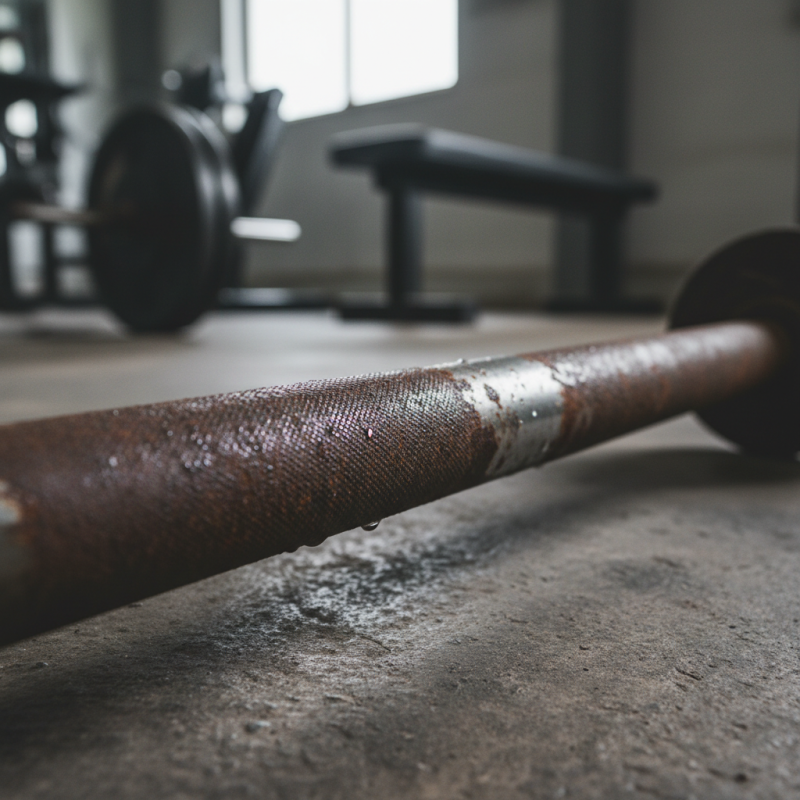
Why Is My Barbell Rusting and How Can I Fix It

Understanding the Causes of Barbell Rust: A Comprehensive Overview

Rust on barbells can be frustrating. Understanding its causes is key to prevention and repair. Generally, rust forms due to moisture and oxygen exposure. If your barbell is constantly in a humid environment, it’s more vulnerable. Even fingerprints can contribute. The oils and moisture from your skin create an ideal condition for rust to develop.

To fix rust, you can use several methods. Mild surface rust may be removed with sandpaper or a wire brush. Scrubbing gently can reveal the shiny metal beneath. For stubborn rust, vinegar or lemon juice might help. These acids eat away at the rust. However, these solutions can require elbow grease and patience. After cleaning, ensure your barbell is dry. Apply a thin layer of oil to prevent future rust.

Maintenance plays a vital role in the longevity of your equipment. Regularly inspect your barbell for early signs of rust. Store it in a dry place, avoiding concrete floors that retain moisture. Be mindful of where you leave it after workouts. A small effort now can keep your barbell in good condition.

Causes of Barbell Rust and Their Prevalence

Impact of Humidity and Moisture on Barbell Integrity and Longevity

Humidity and moisture are significant threats to the integrity of your barbell. When the air is damp, water droplets can settle on metal surfaces. This promotes rusting, leading to deterioration over time. Barbells stored in basements or garages are especially susceptible. These areas often trap moisture and have poor ventilation.


Routine maintenance is essential. Regular cleaning helps remove sweat and dust. A protective coating can also be applied. This acts as a barrier against rust. However, if damage is severe, oxidation may have already begun. You might need to sand or scrape off the rust. It's a tedious process, but necessary for long-term use.


Remember to check your storage environment. If it feels clammy, it likely is damaging your equipment. Consider using a dehumidifier to control moisture levels. Keeping your barbell clean and dry can extend its life. It's better to prevent rust than to fix it later. Regular inspections and maintenance routines help identify potential issues before they escalate.

Identifying Different Types of Rust and Their Implications for Equipment

Rust can be a significant issue for gym equipment, especially for barbells. Different types of rust indicate various levels of damage and necessary action. Surface rust is often a common sight, appearing as a light reddish-brown coating. It forms when bare metal is exposed to moisture and oxygen. This type usually does not compromise the barbell's integrity. However, if ignored, it can progress to more severe rust.

Pitted rust is a more concerning type. It indicates that corrosion has created small holes in the metal. This rust can weaken the barbell and affect its performance. It's crucial to address it promptly. Cleaning with a wire brush may help in the early stages. If the pitting is extensive, professional help might be required.

Ultimately, rust is often a result of neglect. Storing equipment in damp areas or failing to wipe sweat can worsen the issue. Regular maintenance is essential. Using protective coatings or rust inhibitors can also provide an added layer of defense. Taking these steps can prolong the life of your barbell and ensure safe workouts.

Why Is My Barbell Rusting and How Can I Fix It - Identifying Different Types of Rust and Their Implications for Equipment

Rust Type Description Implications Fix
Surface Rust Light, flaky rust that appears on the surface. Can lead to aesthetic issues; generally not harmful. Clean with a rust eraser or fine-grit sandpaper.
Pitting Rust Localized rust that creates small pits or holes. Can weaken structural integrity over time. Sand down and apply a protective coat of oil.
Deep Rust Severe rust that penetrates deep into the metal. Risks for significant structural failure. Consider replacement or professional restoration.
Corrosion Chemical reactions causing deterioration. Can lead to complete failure if untreated. Inspect frequently and apply corrosion inhibitors.

Effective Cleaning Techniques to Remove Rust from Barbells Safely

Rust can be a real eyesore on your barbell. Understanding effective cleaning techniques will keep your equipment in good shape. Start by assessing the extent of the rust. If it’s light, a simple solution may work. Use a soft cloth or sponge with warm, soapy water. Gently scrub the rusty areas. Rinse well and dry immediately to prevent further rust.

For more stubborn rust, consider using vinegar or a baking soda paste. Apply the vinegar directly to the rusted spots. Let it sit for a while. The acid in the vinegar can break down the rust. If you use baking soda, mix it with water to create a paste. Apply it, let it sit, then scrub. Rinse thoroughly. Always remember: after cleaning, a protective coating can help prevent rust from returning.

Regular maintenance is key. Check your barbell often for signs of rust. Store it in a dry place. Avoid moisture, as it accelerates rust formation. Sometimes, despite your efforts, rust issues can still arise. It's a constant battle, requiring diligence and care. Stay proactive, and your barbell will thank you.

Preventive Measures to Protect Your Barbell from Future Rusting Issues

Rust on your barbell can be frustrating. To prevent this issue, regular maintenance is key. Store your barbell in a dry area. Humidity is a major cause of rust. If your gym is in a garage or basement, consider using a dehumidifier. This can help keep moisture at bay. It’s a simple step that many overlook.

Cleaning your barbell after each use is crucial. Sweat and moisture can lead to rusting. Wipe down the surface with a damp cloth and then dry it. For added protection, apply a light coat of oil. This creates a barrier against moisture. Some people forget this step entirely, leading to unpleasant surprises later.

Using a protective sleeve or coating can also help. Many users find that these are effective but might not be perfect. They can wear off over time. Regularly check your equipment, especially if you notice signs of rust. A quick inspection can save you time and money in the long run. Taking these basic steps can significantly extend the life of your barbell.

FAQS

: What can humidity do to a barbell?

: Humidity can cause water droplets to settle, promoting rust and deterioration over time.

Where is a barbell most at risk?

Barbells stored in basements or garages are particularly vulnerable due to moisture and poor ventilation.

How can I maintain my barbell?

Regular cleaning removes sweat and dust. Applying a protective coating helps prevent rust.

What should I do if I find rust on my barbell?

For light surface rust, you can clean it off. Severe rust may need sanding or scraping.

What is surface rust?

Surface rust appears as a light reddish-brown coating. It forms due to bare metal exposure to moisture.

How serious is pitted rust?

Pitted rust indicates corrosion has created holes. It's more severe and needs prompt action to prevent damage.

What tools can help remove rust?

A wire brush can clean early-stage pitted rust. For extensive issues, professional help might be necessary.

How can I prevent rust from forming?

Store your barbell in a dry area. Use a dehumidifier to control moisture levels.

What is the consequence of neglecting rusty equipment?

Neglect can lead to severe damage and compromise the barbell's performance.

Is maintenance a daunting task?

It can be tedious but is crucial for long-term use and safety during workouts.

Conclusion

In the article titled "Why Is My Barbell Rusting and How Can I Fix It," we explore the various factors contributing to barbell rusting. Humidity and moisture are significant culprits that compromise the integrity and longevity of barbells. Identifying the different types of rust and their implications is crucial for understanding the extent of the problem. To effectively clean rust from barbells, safe removal techniques are outlined, ensuring that the equipment remains in good condition.

Furthermore, the article emphasizes the importance of preventive measures to protect barbells from future rusting issues. By addressing the question "Why is my barbell rusting and how to fix it?" readers gain valuable insights into maintaining their fitness equipment and prolonging its lifespan. With the right knowledge and care, it's possible to keep barbells rust-free and functional for years to come.

Amelia

Amelia

Amelia is a seasoned marketing professional with a wealth of expertise in our company’s core offerings. With an unwavering passion for driving growth and innovation, she plays a pivotal role in shaping our marketing strategies and enhancing brand visibility. A key aspect of her responsibilities......