As the demand for fitness gear continues to grow, so does the market for Lifting Belts. By 2026, this segment is expected to surpass $2 billion globally, according to a recent industry report. Lifting Belts have become essential for weightlifters and athletes seeking to maximize their performance and safety. However, not all belts are created equal.
Experts emphasize the importance of choosing the right Lifting Belt. Dr. Mark Thompson, a prominent figure in sports biomechanics, states, "A proper lifting belt can significantly enhance core stability during heavy lifts." This highlights the need for careful consideration when selecting a belt. Key factors include material, width, and support level.
Many consumers overlook these details, leading to discomfort and reduced effectiveness. Belt comparisons often reveal that cheaper options may lack durability and support. As this industry evolves, so too must our understanding of what constitutes the best Lifting Belts. Making informed choices is crucial to achieving strength goals safely and effectively.
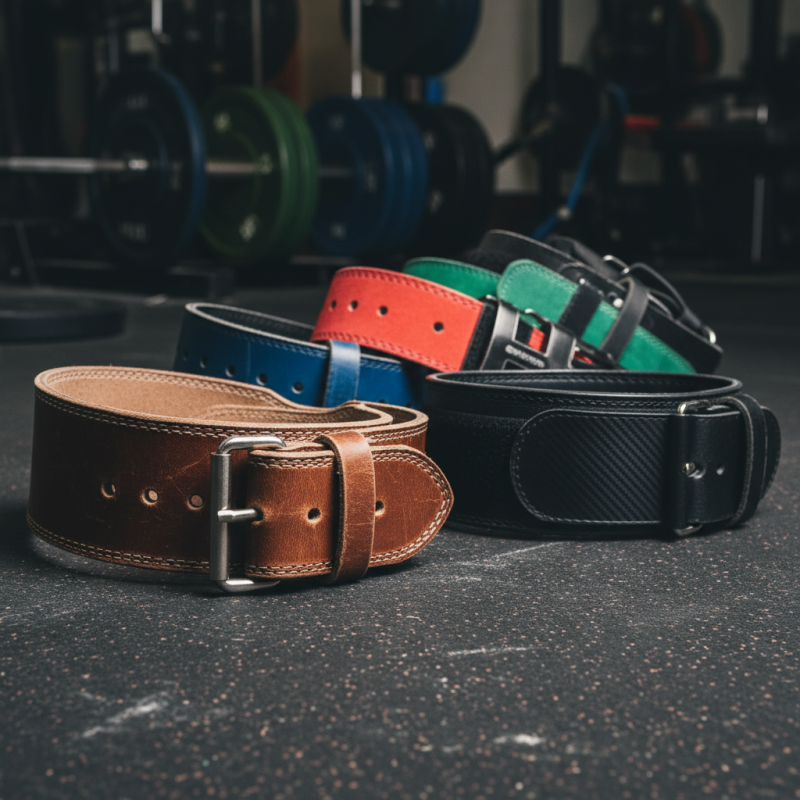
Lifting belts play a crucial role in strength training. They help stabilize the lower back and core during heavy lifts. A good belt can enhance performance. It can boost confidence and create a sense of security. Many lifters experience less strain, allowing them to focus on their workout.
When choosing a lifting belt, weight should be a consideration. Not all belts fit every body type. A belt that is too tight may restrict movement. One that is too loose might not offer sufficient support. Trying on different styles can lead to better choices. Pay attention to the buckle mechanism. Some find it easier to adjust than others.
Tips: Always lift with a proper technique. A belt is not a substitute for strength. Listen to your body; don't push through pain. Reflect on past workouts. Did you feel secure in your lifts? Evaluate what support you need. The right belt can make a difference, but neglecting form can lead to injuries. Choose wisely!
When choosing a lifting belt, several key features deserve attention. A belt’s material significantly affects its durability and flexibility. Leather belts often provide superior support but may require a break-in period. Nylon or neoprene belts can offer more comfort but might lack the same level of rigidity. Reports indicate that belts made from high-quality materials can last twice as long as cheaper alternatives, making material choice critical for long-term use.
Another important feature is the width and thickness of the belt. Most lifting belts vary between 3 to 4 inches in width, with thicker belts generally offering better support. Studies show that a thicker belt can increase intra-abdominal pressure, enhancing stability during heavy lifts. However, it's worth noting that a belt that is too thick may limit mobility or be uncomfortable, particularly for those with certain body types.
Additionally, closure mechanisms play a crucial role in functionality. Common options include prong, lever, and Velcro closures. While prong belts can be adjusted easily, lever belts offer a more secure fit. It’s essential to reflect on individual lifting needs; a belt that suits one lifter might not work for another. Ultimately, thoughtful consideration of these features can lead to better performance and safety in your lifting journey.
When choosing a lifting belt, understanding the different types is crucial. Weightlifting belts generally fall into three main categories: nylon belts, leather belts, and suede belts. Each material has distinct advantages and drawbacks.
Nylon belts are lightweight and often adjustable. They provide decent support but may lack durability compared to leather options. Studies indicate that lifters who choose nylon belts often experience less back strain during lighter lifts. However, they are not ideal for heavy lifting due to lesser rigidity.
Leather belts offer excellent support and longevity. They are rigid, providing the needed stability for heavy lifts. Yet, they can be less comfortable and may require a breaking-in period. A survey found that 65% of powerlifters prefer leather belts for their durability.
Suede belts fall in between. They offer a good mix of comfort and support but may not last as long under heavy use. Many lifters report that suede belts slip more during intense sessions, which can be problematic.
Understanding these pros and cons can help lifters select the right belt for their needs. The choice impacts performance significantly. Exploring personal preferences is essential in finding a belt that complements your lifting style.
When searching for the best lifting belts in 2026, focus on material and design. The belt should provide strong support while allowing movement. Look for options made of durable leather or high-quality synthetic materials. A good lifting belt should have a secure buckle system. This ensures safety during heavy lifts.
Many models offer different widths and thicknesses. A wider belt may feel comfortable but can limit mobility. In contrast, a thinner design can enhance flexibility. It’s essential to consider your lifting style. Some lifters prefer extra support, while others prioritize freedom of movement.
Explore various brands offering unique features. Some may include padding for extra comfort. Others might focus on lightweight designs. Read user reviews carefully. Feedback can reveal which belts truly perform well. Finding the perfect lifting belt is a personal journey. It requires experimentation. What works well for one may not work for another. Take the time to identify your preferences.
Choosing the right lifting belt is crucial for your performance. User reviews can offer real insights. Many lifters recommend belts that provide optimal support and comfort. A flexible material can be beneficial. It should fit snugly without restricting movement. Many users appreciate a belt that’s easy to adjust.
Some reviews highlight belts with varied widths. Wider belts often provide more support. However, they can feel bulky. Comfort varies from person to person. Some find a thicker padding makes a difference during heavy lifts. Others prefer a minimal design to maintain performance.
Many lifters mention the importance of durability. A good belt should withstand wear and tear. However, no product is perfect. Weak stitching can lead to disappointment. Keep these factors in mind. Assess what feels best for you based on experiences shared by others.
: Leather offers durability and support, while nylon and neoprene provide comfort. Choose based on your lifting style.
Thicker belts improve stability by increasing intra-abdominal pressure but may limit mobility for some lifters.
Common types are prong, lever, and Velcro. Reflect on your needs; what works for one may not suit another.
No, nylon belts provide decent support but lack the rigidity needed for heavy lifts. They work better for lighter sessions.
Wider belts generally offer more support. However, they can feel bulky and uncomfortable during workouts.
Reviews provide insights on comfort and durability. However, comfort is subjective; what works for one may not work for all.
Yes, some users report that suede belts can slip during intense workouts. Choose carefully to avoid this issue.
Yes, leather belts may be initially uncomfortable. Expect a break-in period before they feel supportive and snug.
A high-quality belt can last twice as long as cheaper options. Durability depends on material and usage.
Think about how the belt's thickness and width feel on you. Some lifters may need different features for comfort.
Lifting belts are essential tools in strength training, providing support and stability during heavy lifts to reduce the risk of injury. When selecting a lifting belt, it's crucial to consider key features such as material, width, and adjustability to ensure optimal performance and comfort.
There are various types of lifting belts available, each with its own set of pros and cons, ranging from traditional leather belts to more flexible, padded options. Understanding these differences can help users make informed choices based on their individual training needs. Additionally, user reviews and recommendations play a significant role in identifying the best lifting belts on the market in 2026, guiding athletes towards the most effective options for their workouts.

GoLive Fitness