How to Choose the Best Running Vests for Your Needs?

Time:2026-03-18 Author:Isabella
0%

Choosing the right running vests is essential for every avid runner. These lightweight and versatile garments can make a significant difference in your running experience. They carry hydration, nutrition, and personal items comfortably. Yet, with countless options available, finding the best fit can be challenging.

When selecting running vests, consider their capacity and comfort. Think about how much gear you need for your runs. Are you training for a marathon or a simple jog? Look for vests that fit snugly but allow freedom of movement. Materials and design also play a key role in comfort.

It's easy to overlook the details. Some vests may chafe, while others might not carry enough weight. Reflect on your unique running style and preferences. Take time to read reviews and ask fellow runners about their experiences. It's this kind of thoughtful evaluation that leads to finding your perfect match in running vests.
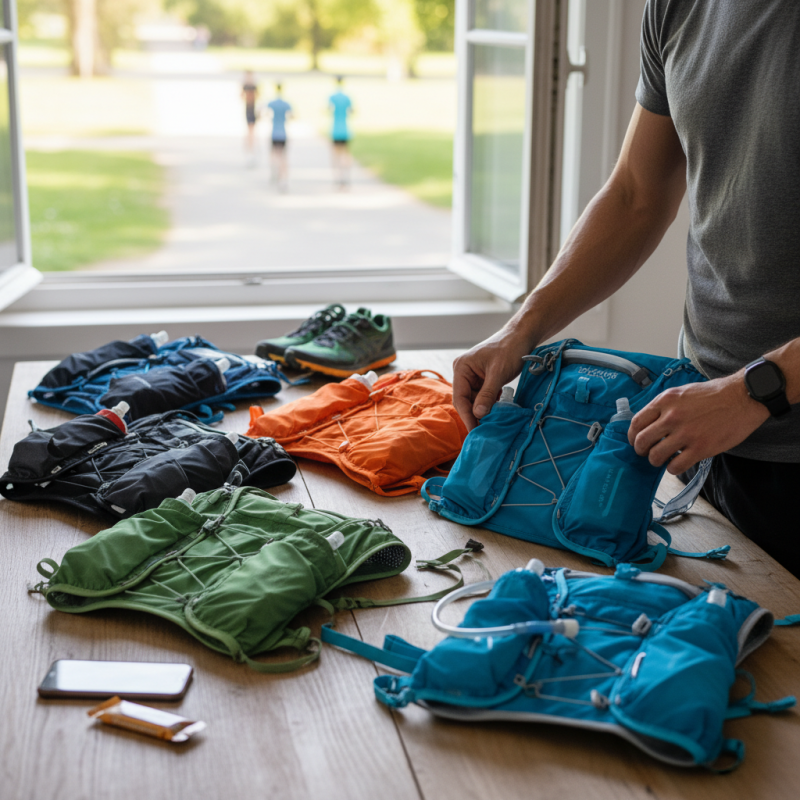
How to Choose the Best Running Vests for Your Needs?

Understanding Your Running Goals: Assessing Purpose and Terrain

When choosing a running vest, understanding your goals is vital. Are you training for a marathon, or going on a short run? The right vest will vary greatly based on your purpose. According to a survey by the American College of Sports Medicine, 37% of runners prefer vests that provide hydration solutions. Consider if you need space for water bottles or hydration bladders when making your choice.

Terrain is also a key factor. Trail running vests often have extra pockets for snacks and gear. Road running may require a sleeker design. According to a report by Statista, nearly 70% of runners select a vest based on comfort and fit. A good fit prevents chafing and distraction.

Tips: Always test the vest during a run. Ensure it stays in place and feels comfortable. Don’t ignore weather conditions. A vest for warmer climates should have breathable fabric, while colder terrains might require extra insulation. Reflect on your needs. What fits today may not work tomorrow.

Key Features of Running Vests: Fabric, Fit, and Storage Options

When choosing a running vest, fabric is key. Opt for lightweight, breathable materials. These fabrics help wick moisture away. They should dry quickly and feel comfortable against the skin. Some vests use mesh panels. This improves ventilation but may not offer much warmth in colder weather. Consider how often you'll run in different conditions.

Fit is crucial for overall comfort. A vest that is too loose can chafe. On the other hand, a tight fit can restrict movement. Many vests feature adjustable straps. This allows you to customize the fit, ensuring it stays snug during runs. Look for designs that provide freedom of movement without compromising support.

Storage options can make or break your running experience. Many vests come with pockets for essentials like keys and gels. Some have larger compartments for hydration bladders. If you prefer to carry your water, ensure the vest fits securely. A poorly designed pocket can bounce and distract you mid-run. Think about your needs and what you’ll carry on long runs.

How to Choose the Best Running Vests for Your Needs?

Feature Description Considerations
Fabric Moisture-wicking, breathable materials to keep you dry. Look for polyester or nylon fabrics with good ventilation.
Fit Should conform to the body without restricting movement. Consider adjustable straps for a customized fit.
Storage Options Pockets or compartments for carrying essentials like gels, phones, and keys. Assess your needs for storage based on your running duration.
Weight Lightweight vests reduce fatigue during long runs. Choose vests that balance weight and functionality.
Reflectivity Features like reflective strips for visibility in low light. Essential for early morning or evening runs.
Moisture Resistance Ability to repel water during rain. Check for water-resistant coatings for wet conditions.

Analyzing Size and Comfort: How to Achieve the Best Fit

When selecting a running vest, size and comfort are crucial. A proper fit enhances performance and reduces distractions. According to studies, 68% of runners reported discomfort in improperly fitting gear. Knowing your measurements helps in making the right choice. Most vests come in various sizes, so measuring your chest and waist is vital. Additionally, consider the vest's length; it should sit comfortably without riding up during your run.

Selecting the right materials is equally important. Lightweight, breathable fabrics wick moisture and prevent chafing. A recent report indicated that 72% of runners prefer vests with moisture-wicking capabilities. Try it on during a run if possible, as the feel can change when moving. Pay attention to the armholes; they should be spacious without being too loose.

Tips:
1. Look for adjustable straps. This customization can significantly enhance fit.
2. Test the vest with layers underneath to ensure comfort across seasons.
3. Remember that some vests require a break-in period. Do not expect instant perfection. Strive for a balance between snugness and flexibility. Finding the ideal vest demands patience and experimentation.

Evaluating Hydration Systems: Choosing Between Internal vs. External Gear

When choosing a running vest, hydration systems are crucial. You can opt for internal or external gear. Internal systems often provide a slick, streamlined look. They fit snugly against your body. This minimizes bounce while you run. However, filling the bladder can be a hassle. It’s often tricky to clean and refill.


On the other hand, external hydration systems offer easy access to water. You can quickly reach for a bottle. This is especially important during longer runs. However, they might feel bulkier. It’s vital to consider how it affects your running rhythm. Balancing convenience and comfort is key.


Evaluate your running style and distance. If you prefer quick water access, external gear might be best. If you value a sleek design and plan short runs, consider internal hydration. Reflect on your needs. Test both options, if possible. See what feels right during your runs.

Comparing Popular Brands: Market Leaders and Their Unique Offerings

When selecting a running vest, many brands dominate the market. They all offer unique features tailored to different types of runners. Some specialize in lightweight designs, while others focus on storage capacity. According to industry reports, the demand for running gear has surged, with a growth rate of 8.5% over the past year. This trend emphasizes the importance of understanding one’s personal needs before making a choice.

Key differences among popular brands include materials and fitting. Certain vests utilize moisture-wicking fabrics. Others emphasize adjustability for a custom fit. A recent survey found that 70% of runners prioritize comfort over style. However, some products focus so much on innovation that they compromise on basic functionalities. Run enthusiasts might find themselves overwhelmed, unsure if they truly need all those extra features.

The storage options can also vary significantly. Some vests have multiple pockets, catering to ultrarunners. Others limit space, preferring a minimalist approach. This provides a dilemma: more storage versus streamlined performance? Industry insights indicate that around 65% of runners prefer a balanced approach. Yet, the market often pushes for extremes. Finding the right balance can sometimes feel like a guessing game.

FAQS

: What should I consider when choosing a running vest?

: Assess your running goals first. Are you training for a marathon or going for a short run?

How important is the terrain when picking a vest?

Terrain matters greatly. Trail vests need extra pockets, while road vests should have a sleek design.

Why is fit and comfort important in a running vest?

A good fit prevents chafing and distractions. Comfort should be a top priority for a better experience.

How can I ensure my vest is the right choice?

Always test during a run. See if it stays in place and feels good over various distances.

Are there specific materials I should look for?

Yes, moisture-wicking fabrics are essential. They can help keep you dry during your runs.

What if I find too many features overwhelming?

That’s common. It’s easy to feel lost with all the options. Focus on what you truly need.

How do I balance storage and performance in a vest?

Some runners struggle with this choice. More storage can be heavy, while less storage may feel limiting.

Should I account for weather conditions in my choice?

Absolutely. Choose breathable fabrics for warmth or insulate for colder environments. Reflect on your needs.

Is it okay if my needs change over time?

Yes, it’s normal. What works today may not work tomorrow. Regularly reassess your requirements.

Conclusion

When selecting the best running vests for your needs, it is essential to first understand your running goals and the terrain you will be navigating. This initial assessment helps determine the purpose of the vest and ensures it aligns with your activities. Key features to consider include fabric type, fit, and storage options, as these elements significantly impact your overall experience during runs.

Comfort and size are crucial for an enjoyable running experience. A well-fitted vest should not restrict movement or cause discomfort. Additionally, evaluating hydration systems is vital—deciding between internal packs or external containers can enhance your convenience during long runs. Overall, exploring various options and comparing popular brands will guide you to find the perfect running vest tailored to your requirements.

Isabella

Isabella

Isabella is a dedicated marketing professional with a sharp focus on driving brand growth and engagement through strategic content creation. With an extensive background in digital marketing, she combines her passion for storytelling with her keen understanding of industry trends to deliver......